Understanding Endocrine-Disrupting Chemicals in Cosmetics
What Are Endocrine-Disrupting Chemicals (EDCs) in Beauty Products
I feel the tension every morning, promises on South African shelves. Our bodies don’t bargain with vanity; hormones keep the ledger. beauty products with endocrine disruptors hide in plain sight, shaping mood and sleep. ‘Health is not a luxury,’ a psychologist once whispered, and that sting lands with clarity.
- Parabens — common preservatives that can mimic estrogen
- Phthalates — often in fragrances to soften textures and scents
- Benzophenones — UV filters that offer protection but may alter hormonal balance
- Triclosan and related agents — antibacterial components found in some cleansers and cosmetics
Understanding how these substances weave into our routines deepens the conversation about safety. The landscape is nuanced, and the choices we observe now will echo in future generations—a reminder that care and curiosity belong on every vanity shelf. The pull of beauty products with endocrine disruptors remains hard to ignore. I keep asking what our routines owe us.
Common Chemical Classes to Watch (Parabens, Phthalates, Triclosan, PFAS)
Across South Africa, the morning ritual—SPF, serum, and self-assurance—reads like a quiet audit of what we allow to touch our skin. A striking statistic lingers: most daily endocrine disruption may originate from cosmetics we trust on the shelf, turning vanity into vigilance and routine into revelation.
Here are the common chemical classes to watch within cosmetics:
- Parabens — preservatives that can mimic estrogen and subtly influence hormonal signals.
- Phthalates — often in fragrances to soften textures and scents, raising concerns about endocrine balance.
- Triclosan — antibacterial agent found in some cleansers and cosmetics; scrutinized for hormonal effects.
- PFAS — fluorinated substances used for durability and water resistance; linked to endocrine disruption concerns.
Understanding these classes sharpens judgment without paralyzing curiosity; the South African beauty market is evolving, and recognizing beauty products with endocrine disruptors is part of a broader conversation about safety, science, and sophistication.
Why EDCs Matter for Hormonal Health and Wellbeing
From Cape Town to Kimberley, a quiet chorus accompanies our morning routine: skin, serum, and self-possession. A striking statistic suggests up to 75% of everyday cosmetics whisper endocrine signals, nudging our hormones in small but meaningful ways. Understanding these signals helps protect hormonal health without surrendering beauty’s poetry.
EDCs can reshape energy, appetite, and mood, often without obvious signs. The skin—our largest organ—becomes both stage and witness, absorbing ingredients as if taking dictation.
- Altered puberty timing in sensitive populations
- Shifts in thyroid and metabolic balance
- Subtle effects on fertility and reproduction mechanisms
For many South Africans, avoiding beauty products with endocrine disruptors becomes part of a mindful ritual. In this evolving market, the dialogue between science and sensation remains our compass.
How to Read Ingredient Lists for Potential EDCs
From the first glint of dawn, a striking statistic disrupts the shimmer: up to 75% of everyday cosmetics whisper endocrine signals, nudging hormones in small but meaningful ways. This is a reckoning for beauty products with endocrine disruptors, where scent and shine meet subtle chemistry.
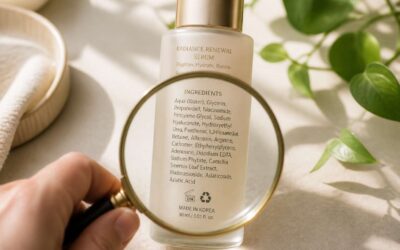
To read the spell, study ingredient lists as you would ancient runes. Endocrine disruptors hide in plain sight—not as villains, but as quiet performers whose signatures linger long after application. Seek clarity, provenance, and trusted certifications before the first swipe.
- Look for vague terms like fragrance or parfum that may conceal complex blends
- Watch for unusually long chemical names or unfamiliar abbreviations on the label
- Prioritise products with transparent ingredient disclosures and local regulatory assurances
In South Africa, mindful scrutiny keeps pace with a dynamic market. The dialogue between science and sensation guides choices, and the conversation around beauty products with endocrine disruptors continues to evolve, balancing allure with health.
Cosmetics Categories Most Affected by Hormone-Disrupting Agents
Skincare: Serums and Moisturizers
In the ritual of everyday care, serums and moisturizers sit at the confluence of science and desire. “Health is the new luxury,” a Johannesburg derm notes, and that mindset fuels curiosity about beauty products with endocrine disruptors that quietly slip into daily routines.
Skincare serums and moisturizers are especially susceptible because they linger on skin longer and deliver potent actives alongside softening bases. The cumulative exposure from daily use can be subtler than a splash, but more pervasive over time.
- repeat applications raise contact time
- layered routines trap ingredients next to the skin
- fragrance-heavy formulas obscure other additives
From Cape Town’s coastal air to Johannesburg’s urban pace, I’ve spoken with readers in South Africa who are increasingly drawn to transparent ingredient lists—where bedside rituals meet a new standard of care for beauty choices.
Makeup: Foundations, Mascaras, and Lip Gloss
In South Africa, ingredient transparency has become a standard. About one in three beauty shoppers now scrutinize labels. beauty products with endocrine disruptors are top of mind as makeup rituals blend routine with risk. Foundations, mascaras, and lip gloss linger on the skin and near sensitive membranes, making daily exposure more than a splash.
- Foundations
- Mascaras
- Lip gloss
These products stay on longer and are layered on the skin, so potential exposure compounds with each application—especially in Cape Town’s humidity and Johannesburg’s pace.
Hair Care and Styling: Shampoos, Conditioners, and Gels
In South Africa, one in three beauty shoppers now scrutinize every label, turning the bathroom shelf into a stage for bold choices. The scalp absorbs with every wash, so hair care rituals—shampoos, conditioners, and gels—linger longer than a splash, especially in Cape Town’s humidity and Johannesburg’s pace!
- Shampoos
- Conditioners
- Gels
Within these products, beauty products with endocrine disruptors can hide in fragrances and preservatives, quietly nudging hormonal balance with repeated use—an unseen ripple in daily care.
Fragrances, Preservatives, and Colorants
One in three South African beauty shoppers now scrutinize every label, turning cosmetics into a stage for discerning taste. The realm of fragrances, preservatives, and colorants quietly shapes daily rituals, scent and shade becoming woven into hormonal balance.
- Fragrances
- Preservatives
- Colorants
Within cosmetics, the most affected categories—where hormone-disrupting agents linger—are driven by fragrance blends, preservative systems, and synthetic colorants.
These components, staples of beauty products with endocrine disruptors, convert routine care into a subtle negotiation with the body, where glow meets quiet, systemic ripple.
Nail Care and Other Personal Care Products
In SA, one in three beauty shoppers now scrutinize every label, turning a gloss into a gauntlet. Nail care and other personal care products emerge as the most vulnerable frontiers, where hormone-disrupting agents quietly settle into routines.
Within nail care, polishes, hardeners, and removers carry solvents and phthalates that migrate into skin and, occasionally, the bloodstream. In other personal care items—moisturisers, deodorants, sunscreens—the same stealthy saboteurs linger in fragrances and preservatives, shaping daily rituals in eerie silence. This is the realm of beauty products with endocrine disruptors.
- Nail polishes, base coats, and top coats
- Nail hardeners and cuticle treatments
- Removers, solvents, and scented moisturisers
- Deodorants, sprays, and fragranced lotions
The shimmer of modern cosmetics may hide a deeper chemistry, where our rhythms converse with routine in a long, quiet night.
Safer Alternatives and Clean Label Practices
Choosing Paraben- and Phthalate-Free Options
One in five beauty products quietly carries an unseen disruptor, turning daily rituals into a shadowed ballet. In South Africa, the hunt for safer formulas glows brighter with paraben- and phthalate-free options that honour skin and science. Choosing these options helps steer away from beauty products with endocrine disruptors.
- Paraben- and phthalate-free formulations
- Fragrance-free or clearly labeled with minimal, transparent ingredients
- Transparent labeling and third-party certifications (COSMOS, cruelty-free, etc.)
- Refillable or recyclable packaging to reduce plastic exposure
Clean labeling is a lantern in a fog-bound aisle, guiding choices toward healthier routines and ethical sourcing. Ultimately, this approach helps avoid beauty products with endocrine disruptors and keeps beauty within the bounds of science and grace.
Fragrance-Free and Hypoallergenic Products
One in five beauty products with endocrine disruptors quietly stalks the shelf, a whisper of risk beneath glossy promises. In South Africa, discerning shoppers crave formulas that honour skin and science, turning daily rituals into acts of care rather than compromise.
Safer alternatives begin with fragrance-free and hypoallergenic products, paired with clean labeling that speaks plainly. Yes, you can feel the difference.
- Fragrance-free formulations
- Hypoallergenic options
- Clear labeling with minimal, transparent ingredients
- Third-party certifications (COSMOS, cruelty-free)
- Refillable or recyclable packaging
These choices, backed by third-party seals and recyclable packaging, chart a future where beauty respects both body and Earth!
Certification and Clean Beauty Labels to Trust
In South Africa, one in five beauty products with endocrine disruptors quietly stalks the shelf, a whisper behind glossy promises. Safer choices start with fragrance-free and hypoallergenic formulas, paired with clean labeling that speaks plainly. Yes, you can feel the difference.
Safer alternatives include:
- Fragrance-free formulations
- Hypoallergenic options
- Clear labeling with minimal, transparent ingredients
- Third-party certifications (COSMOS, cruelty-free)
- Refillable or recyclable packaging
These choices, backed by third-party seals and recyclable packaging, chart a future where beauty respects both body and Earth!
Clean labeling is the passport to trust in a crowded market. When certifications and transparent ingredients line up, South Africans can shop with confidence—preserving skin health and the planet at once.
DIY and Natural Alternatives
In South Africa, 20% of beauty products with endocrine disruptors slip onto shelves. That’s a quiet danger you can see in plain sight!
DIY and natural alternatives lean on simple, traceable ingredients—plant-based actives and minimal processing that respect skin balance. The aim: reduce exposure without sacrificing performance or joy.
Here are pillars brands embrace to reduce exposure and increase clarity.
- Transparent sourcing and small-batch formulations
- Plant-based actives with defined safety profiles
- Recyclable materials and refill-friendly packaging
Clear labeling and third-party seals light the path through a crowded market, helping South Africans shop with confidence. When transparency aligns with rigorous testing, beauty products with endocrine disruptors fade from the shelves. The shift is visible.
Practical Consumer Guidance for Reducing Exposure
Audit Your Bathroom Cabinet: What to Remove First
Beauty is a language, and your hormones are listening. The most provocative line in our bathrooms isn’t the shade of lipstick but the label itself. When we talk about beauty products with endocrine disruptors, lipstick becomes a backstage pass to a hormonal theater you didn’t audition for.
An audit of the cabinet can feel like a treasure hunt with a Pringle can of mystery ingredients. Read labels with a hawk’s eye, and trust that bright, clean packaging often hides a longer, less friendly list. No alarms—just a reminder that awareness beats avoidance when curiosity is your compass.
In South Africa, savvy shoppers know skincare is personal, but safety is universal. A thoughtful curation preserves pampering’s pleasure while keeping hormonal health firmly in the spotlight. After all, good glow should come with good sense and a wink.
How to Build a Risk-Reduced Shopping List
In the aisles where blush promises youth, the true risk is often invisible. For shoppers in South Africa, a practical compass is simple: build a risk-reduced shopping list that foregrounds how and where beauty products with endocrine disruptors slip into daily life rather than chasing every chemical shadow.
- Limit daily-use items to essentials you truly need
- Favor brands that publish transparent ingredient sourcing
- Prefer minimal, recyclable packaging to reduce contact risk
- Test new products in small, discreet patches before wider use
With a disciplined catalog, pampering becomes discernment—a lean routine that preserves glow while shrinking exposure. The aim is a mindful shopping ethos for South Africa that supports both personal care and planetary health.
Questions to Ask Brands and Read on Labels
In the SA aisles, practical guidance beats paranoia. When shopping for beauty products with endocrine disruptors, practical questions trump vague marketing. You want transparency, not mystery ingredients, and a clear sense of how exposure is minimized—no doomscrolling required; just clean labels and honest claims.
- Do you publish an ingredient list with sourcing and batch transparency?
- Are any fragrance components disclosed or avoided, especially where allergen-sensitive consumers are concerned?
- Do you use third-party certifications or testing to verify safety claims?
- Is packaging recyclable and does it minimize contact exposure during use?
Read labels with a skeptic’s eye: INCI names, avoid ‘fragrance’ vagueness, and compare ingredient lists across trusted lines.
Staying Informed: Regulatory Updates and Industry Changes
Regulatory updates aren’t optional reading—they shape what you can trust on a shelf. In a landscape where science evolves by the quarter, beauty products with endocrine disruptors remain under scrutiny, and watchdogs publish new guidance fast. Staying informed means watching shifts in labeling, testing norms, and what counts as safe exposure.
- South Africa’s health and cosmetics authorities publish changes to ingredient lists and safety thresholds.
- Global references: EU REACH, US FDA, and international cosmetic safety databases.
- Independent certifications and third-party labs help verify claims without marketing spin.
The pattern is change, transparency, and accountability.
Tips for Safe Use and Patch Testing
“Beauty is a negotiation with time,” a veteran lab director told me, and the numbers back the sentiment. In South Africa, discerning shoppers push beyond glossy claims, probing beauty products with endocrine disruptors and seeking truth in every ingredient label. I’ve watched shelves mirror hope and caution alike, a testament to our longing for safe shine.
To reduce exposure, I lean on transparency and independent testing as a compass. Patch testing offers a quiet moment—before a full commitment, I listen to my skin’s whispers for unseen sensitivities.
- Principles of transparency: clear ingredient disclosure.
- Independent verification that backs safety claims, not marketing gloss.
- Packaging considerations to preserve formulation integrity.
These principles rise as a chorus of change, guiding a mindful beauty journey across homes and boutiques.

0 Comments